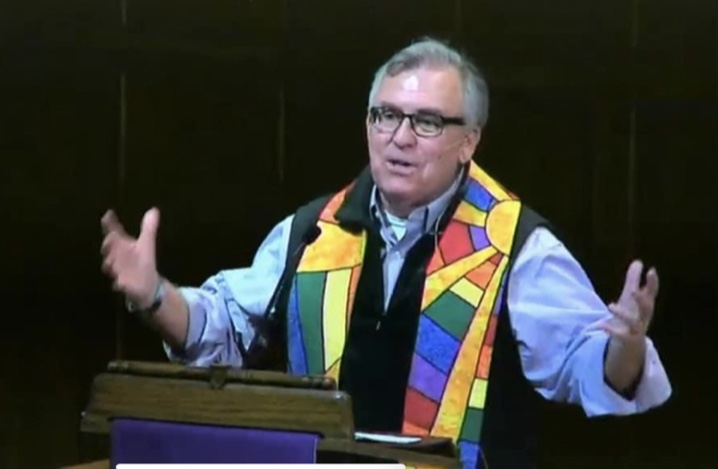
“For You when I am Gone”
Wow and double wow.
Copied from Reading is My Therapy —-
There comes a time in life when you start asking quieter, deeper questions.
Not about what you’ve done—but about what you’ve meant.
Not about your resume—but your remembrance.
What will they carry when you’re gone? What pieces of your story, your values, your soul—will live on in those you loved?
Reading For You When I Am Gone by Steve Leder felt like walking barefoot through the sacred space of memory, legacy, and love. It’s not a book about death. It’s a book about life. About what truly matters. About the kind of person you were when no one was watching, and what you leave behind in people, not just to them.
As I read, I found myself pausing more. Reflecting. Asking harder questions with a softer heart. This book invited me not just to contemplate mortality—but to choose how I want to live. And maybe more importantly, how I want to be remembered.
Here are 10 lessons that deeply moved me—some gentle, some sobering, but all sacred. Each one a reminder that legacy isn’t about perfection. It’s about presence, intention, and love.
- Legacy is not built in grand gestures—it’s built in ordinary moments.
I used to think my impact would be measured by achievements. But Steve Leder reminded me that legacy is often found in a child remembering how you made pancakes on Saturdays. A friend remembering how you always answered the phone. The moments that feel “small” are the ones that echo longest. - Your story matters—even the parts you hide.
Writing a legacy letter made me wrestle with parts of myself I don’t usually say out loud: regrets, failures, fears. But Leder invites us to bring all of ourselves to the page. Because legacy isn’t just passing down our strengths—it’s passing down our truths. And that kind of honesty is what truly connects generations. - We teach by how we love.
How we show up for others—the way we listen, forgive, comfort, cheer, and stay—those are the teachings that outlive us. I thought about the way my mother hugged me when I was grieving, the way my friend once sat with me in silence. Those are the kinds of love that don’t die. - Regret is part of being human—but we don’t have to carry it alone.
One of the questions in the book is: What do you regret? And for a moment, I didn’t want to answer. But there’s power in naming it. In giving voice to what hurt us or where we failed. Sharing regrets doesn’t tarnish your legacy—it makes it real. And real is where healing happens. - The values you live by become your final message.
What do you stand for? What do you believe in even when it’s hard? I began asking myself: Would my life tell my loved ones that I valued compassion, honesty, grace? Or busyness, productivity, perfection? What you live daily is the legacy you write wordlessly. - Love often looks like showing up—again and again.
There’s a quiet beauty in the people who keep showing up. Steve Leder’s stories reminded me: those who simply stay in your life, in joy and in hardship, are living their love out loud. Sometimes the best legacy you can leave is the memory that you were there. - It’s okay to not have all the answers—but ask the questions anyway.
Some of the prompts in this book made me squirm: What do you fear? What do you want to be forgiven for? But they opened doors in me. Because life isn’t about having tidy answers—it’s about being brave enough to ask the real questions while we still can. - Sharing your story is one of the most generous things you can do.
There’s something holy in telling your truth—especially for those who will read it when you’re gone. I realized: if I don’t say it now, they might never know. The story of how I overcame. The lessons I learned the hard way. The things I loved most. The people I never stopped carrying. - Forgiveness is one of the most powerful gifts you can leave behind.
This book invites us to forgive—ourselves and others—while we’re still here. Letting go of old pain doesn’t just free us; it lightens the hearts of everyone we love. I don’t want to pass down resentment. I want to pass down release. - The time to say what matters… is now.
The book gently asks: What do you want them to know, feel, carry, long after you’re gone? And that question changed how I live. I now try to say “I love you” more often. I try to apologize faster. To speak gratitude out loud. Because legacy isn’t a letter you write once—it’s the life you write every day.
Closing Reflection:
For You When I Am Gone is a sacred mirror. It doesn’t just help you write a legacy letter—it helps you write a legacy life.
It made me pause. Reflect. Cry, quietly. It made me call someone just to say thank you. And it made me want to live more deliberately—so that when I’m gone, what I leave behind is not just memories… but meaning.
This isn’t just a book to read. It’s a book to live.
And maybe, a book to help someone you love know you a little more clearly—both while you’re here… and when you’re not.
Because in the end, we’re all just stories.
Let’s make ours one worth passing on.
 joescheets